

 Posted by
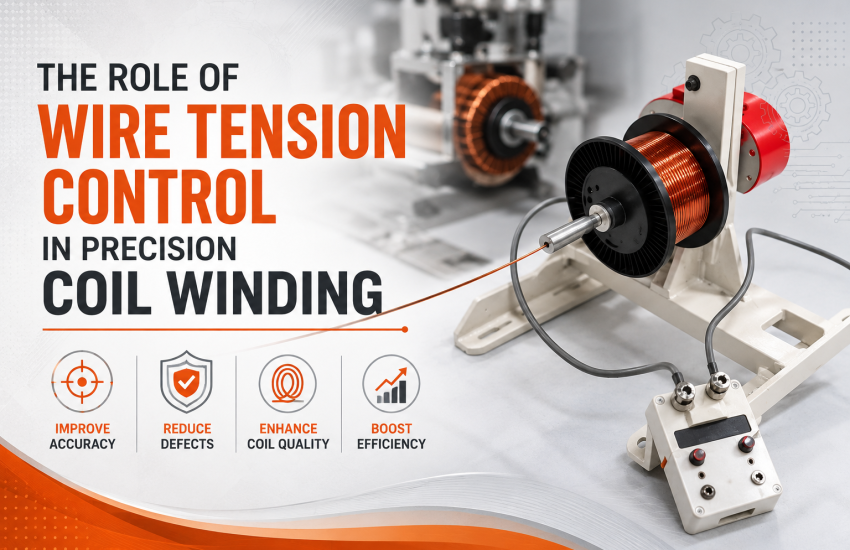
 Precision is one of the most important factors in coil manufacturing. Every stage of the winding process – from selecting the appropriate wire to maintaining consistent winding patterns – plays a significant role in determining the quality and performance of the finished product. Among these factors, wire tension control is often considered one of the most critical elements for achieving reliable and repeatable coil production.
Whether manufacturing transformer coils, motor coils, inductors, or other electrical components, maintaining proper wire tension helps ensure uniform winding, minimizes defects, and improves production efficiency. Inconsistent wire tension can lead to uneven winding, damaged insulation, and product variations that affect overall quality.
At ACME Mechatronics, we understand the importance of precision in coil manufacturing. Our winding solutions and accessories are designed to help manufacturers achieve consistent results while supporting efficient production processes.
What Is Wire Tension Control?
Wire tension control refers to maintaining a consistent amount of force on the winding wire throughout the entire winding process. A properly controlled tension system ensures the wire is neither too loose nor too tight while being wound onto the component.
Maintaining uniform tension contributes to stable production and helps manufacturers produce coils with consistent dimensions and winding patterns.
Why Is Wire Tension Control Important?
Maintaining proper wire tension control is essential for producing high-quality electrical coils.
Some key benefits include:
- Improved winding consistency
- Better coil appearance
- Reduced wire damage
- Improved manufacturing efficiency
- Better product repeatability
- Consistent production quality
Proper tension management helps manufacturers achieve reliable production while reducing unnecessary interruptions.
How Wire Tension Affects Coil Quality
Consistent Coil Dimensions
Stable wire tension helps maintain uniform coil dimensions throughout production. This consistency is important for manufacturers producing large production batches.
Improved Winding Accuracy
Controlled tension allows wire to be positioned evenly during winding, resulting in cleaner winding patterns and improved product quality.
Reduced Wire Damage
Excessive tension may damage wire insulation, while insufficient tension can create loose winding. Proper tension helps minimize these issues.
Better Product Reliability
Uniform winding contributes to reliable electrical components by supporting consistent manufacturing quality.
Common Problems Caused by Incorrect Wire Tension
Improper wire tension can affect production quality in several ways.
Loose Winding
Low wire tension may cause uneven winding patterns, reducing product consistency.
Excessive Wire Stress
High tension can place unnecessary stress on the wire, potentially affecting insulation and winding quality.
Production Variations
Inconsistent tension may lead to differences between production batches, making quality control more challenging.
Reduced Manufacturing Efficiency
Frequent adjustments or production interruptions caused by tension issues may reduce overall manufacturing productivity.
Factors That Influence Wire Tension
Several factors affect wire tension during the winding process.
Wire Diameter
Different wire sizes require different levels of tension for stable winding.
Wire Material
Material characteristics influence how the wire behaves during production.
Winding Speed
Higher production speeds require accurate tension control to maintain winding consistency.
Coil Design
Different coil designs require different winding conditions depending on product specifications.
Production Requirements
Manufacturers often adjust tension settings based on the application and desired winding quality.
The Role of Tensioners in Coil Winding
Tensioners are important components within winding systems that help regulate wire tension during production.
A properly designed tensioning system supports:
- Smooth wire feeding
- Stable winding operations
- Consistent winding quality
- Improved production repeatability
- Reduced production interruptions
Choosing the appropriate tensioning solution helps manufacturers maintain consistent quality throughout the manufacturing process.
Best Practices for Effective Wire Tension Control
Manufacturers can improve winding quality by following these best practices:
Use the Correct Tension Setting
Wire tension should be adjusted according to wire size and application requirements.
Monitor Production Regularly
Routine inspection helps identify tension variations before they affect production quality.
Maintain Equipment
Regular maintenance of winding machines and tensioning systems supports reliable performance.
Train Machine Operators
Proper machine setup and operation help maintain consistent production standards.
Use Reliable Winding Equipment
Modern winding systems provide greater control over production processes and improve manufacturing consistency.
Why Choose ACME Mechatronics?
With more than two decades of experience in winding technology, ACME Mechatronics has established itself as a trusted manufacturer, supplier, and exporter of coil winding machines.
Our product portfolio includes:
- Linear Winding Machines
- Toroidal Winding Machines
- Motor Coil Winding Machines
- Foil Winding Machines
- Special Application Winding Machines
- Winding Machine Accessories
- Tensioners
- Coil Winding Services
Our commitment to precision engineering, quality manufacturing, and continuous innovation enables us to support customers across various industries worldwide.
Maintaining proper wire tension control is essential for achieving precision, consistency, and efficiency in coil manufacturing. From improving winding accuracy to reducing production defects, effective tension management contributes to higher-quality electrical components and more reliable manufacturing processes.
By combining advanced winding technology with dependable tensioning systems, manufacturers can improve production performance while maintaining consistent product quality.
At ACME Mechatronics, we continue to develop reliable winding solutions that help manufacturers meet evolving production requirements with confidence.
Frequently Asked Questions
1. What is wire tension control in coil winding?
Wire tension control is the process of maintaining consistent tension on the wire throughout the winding process to achieve uniform and accurate coil production.
2. Why is wire tension important in coil manufacturing?
Proper wire tension helps improve winding consistency, reduce defects, and support reliable product quality.
3. What problems can incorrect wire tension cause?
Improper wire tension may result in loose winding, excessive wire stress, inconsistent production quality, and reduced manufacturing efficiency.
4. What factors influence wire tension during winding?
Wire diameter, material, winding speed, coil design, and production requirements all affect the required wire tension.
5. How does ACME Mechatronics support precision coil winding?
ACME Mechatronics offers advanced winding machines, tensioners, accessories, and coil winding services designed to help manufacturers achieve consistent and efficient production.